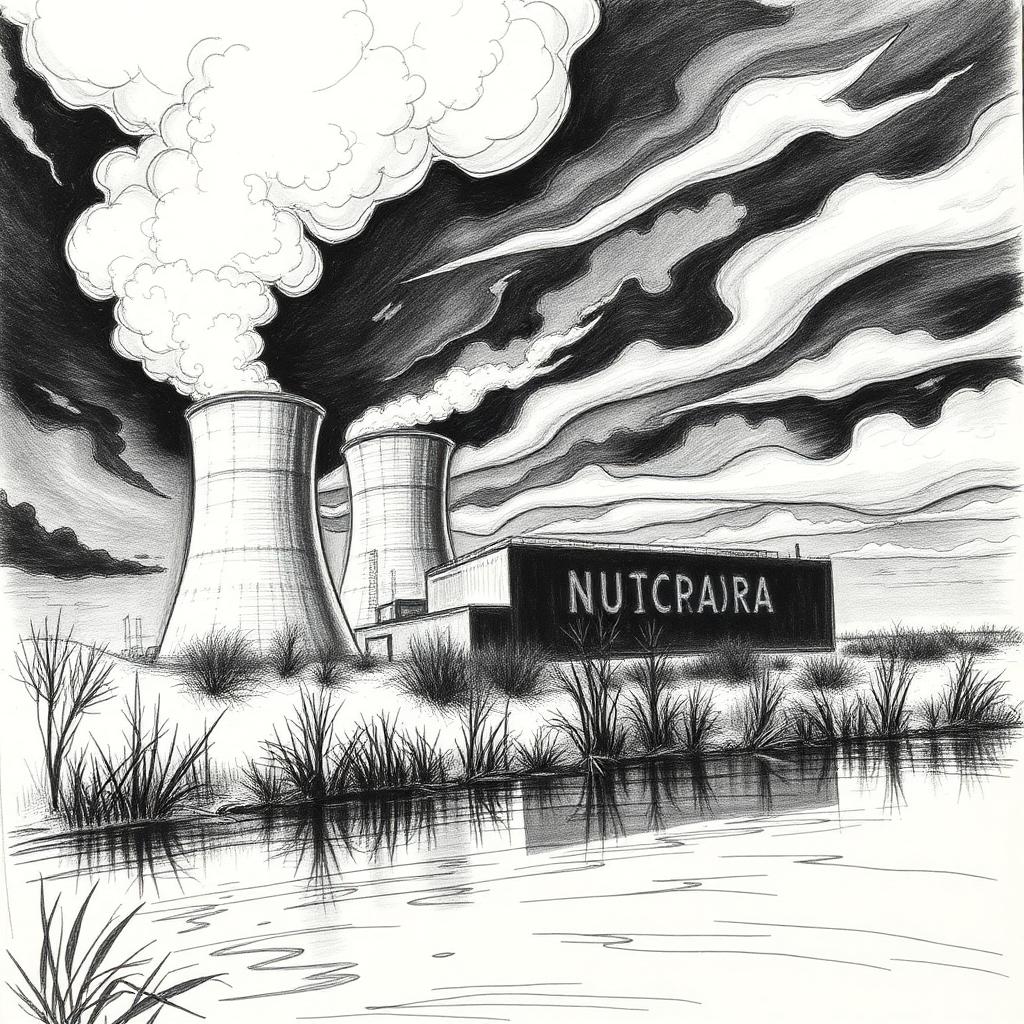
Is nuclear energy renewable? The debate shaping the future
The world is in a state of emergency, and leading scientific and energy studies include nuclear power in the pathway to achieving climate neutrality by 2050. Nuclear energy has been included in the European Taxonomy as an environmentally sustainable economic activity. At COP28, 22 countries signed an agreement recognizing its key role in achieving net-zero emissions.
Nuclear power is produced through the fission of uranium atoms, a process that releases heat to generate steam and electricity. This generation runs 24 hours a day without emitting greenhouse gases. Uranium reserves are sufficient to meet demand for the next 120 years, and its energy density is extraordinary: 5 grams of uranium is equivalent to 1,000 kg of coal.
Spanish nuclear plants rank among the most reliable and safe in the world according to WANO's Performance Indicator Program. Spain operates 5 nuclear plants with seven reactors that prevent the emission of more than 30 million tonnes of CO₂ each year and produce more than 35% of the country's emissions-free electricity.
The volume of waste that Spanish plants would generate over their full operating life is estimated at around 11,400 m³, equivalent to 3.4 Olympic swimming pools. High-level waste is conditioned in Deep Geological Repositories, and fast reactors could raise fuel utilization from 5% to 95%, turning nuclear into an almost inexhaustible source.
Nuclear energy provides security of supply and energy independence, stable prices amid gas-market volatility, energy potential without requiring vast tracts of land, and zero greenhouse gas emissions. It is not technically renewable, but its low climate impact positions it as a complementary piece to renewables in the transition.
Source: Endesa — La Cara E / Energy Sector