Analysis & Perspectives
The New Revolution
We explore the key drivers of the energy and industrial transformation redefining our relationship with the planet: renewables, decarbonization, green hydrogen, electric mobility and smart cities.
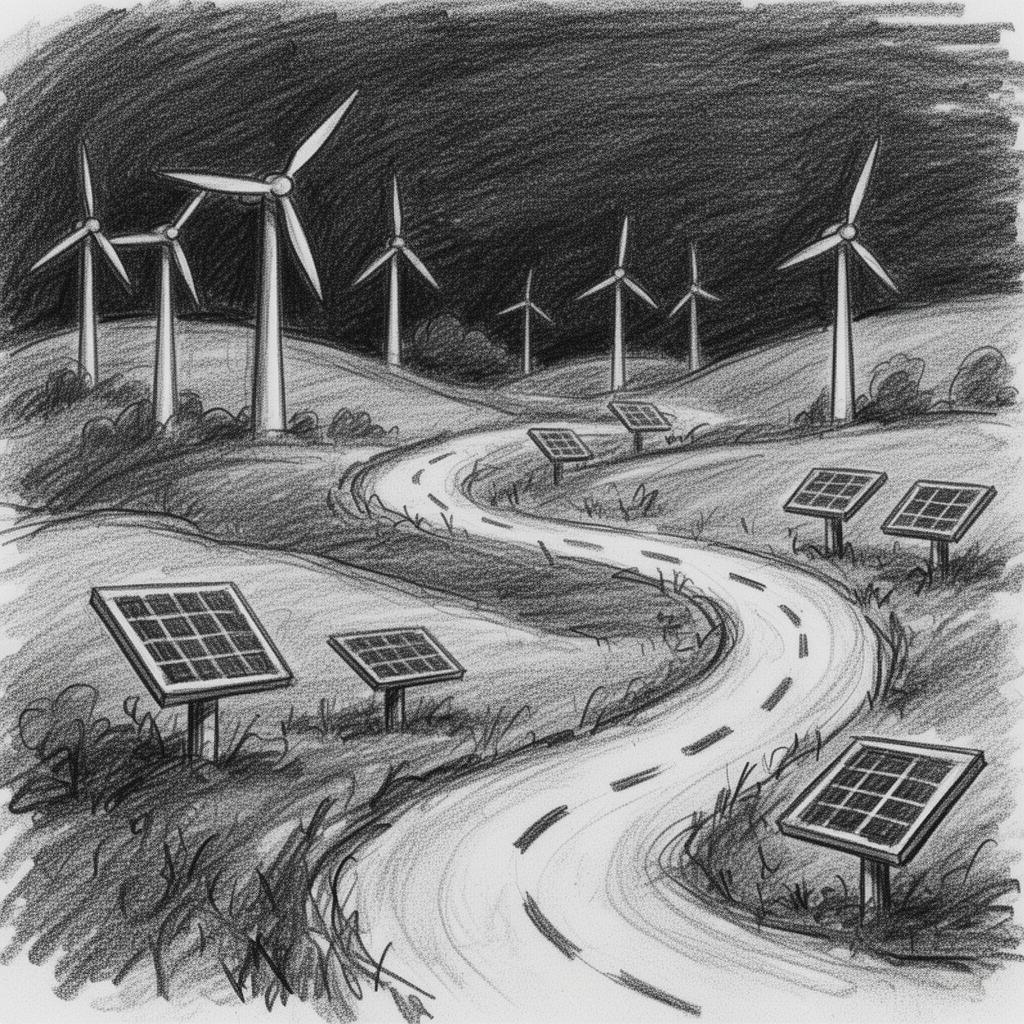
PNIEC 2023-2030: Spain's roadmap for the energy transition
Spain's National Integrated Energy and Climate Plan updates its targets with a projected investment of €308 billion and the creation of up to 560,000 jobs by 2030.
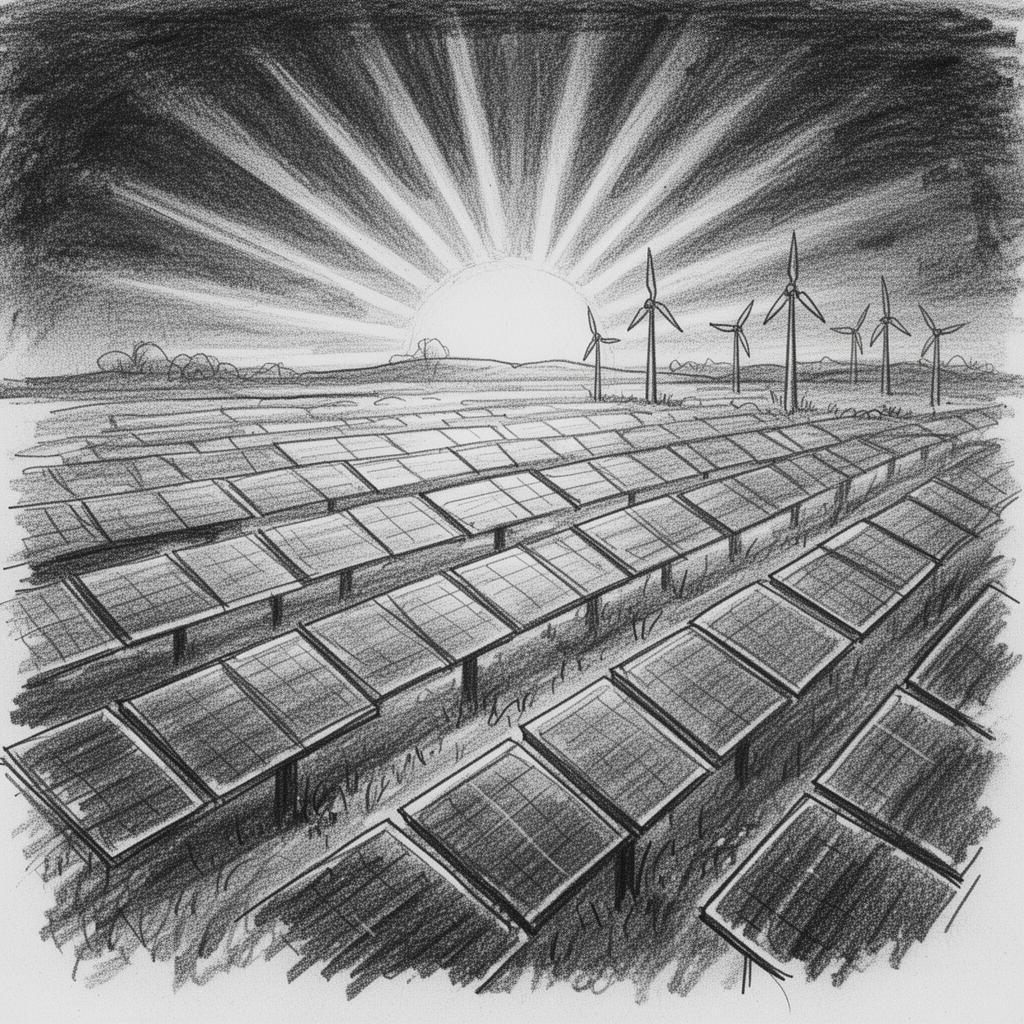
2030 target: 81% of electricity to come from renewables
Spain plans to install 76 GW of solar photovoltaic, 62 GW of wind and 22.5 GW of storage to reach a point where 81% of electricity generation comes from renewable sources.
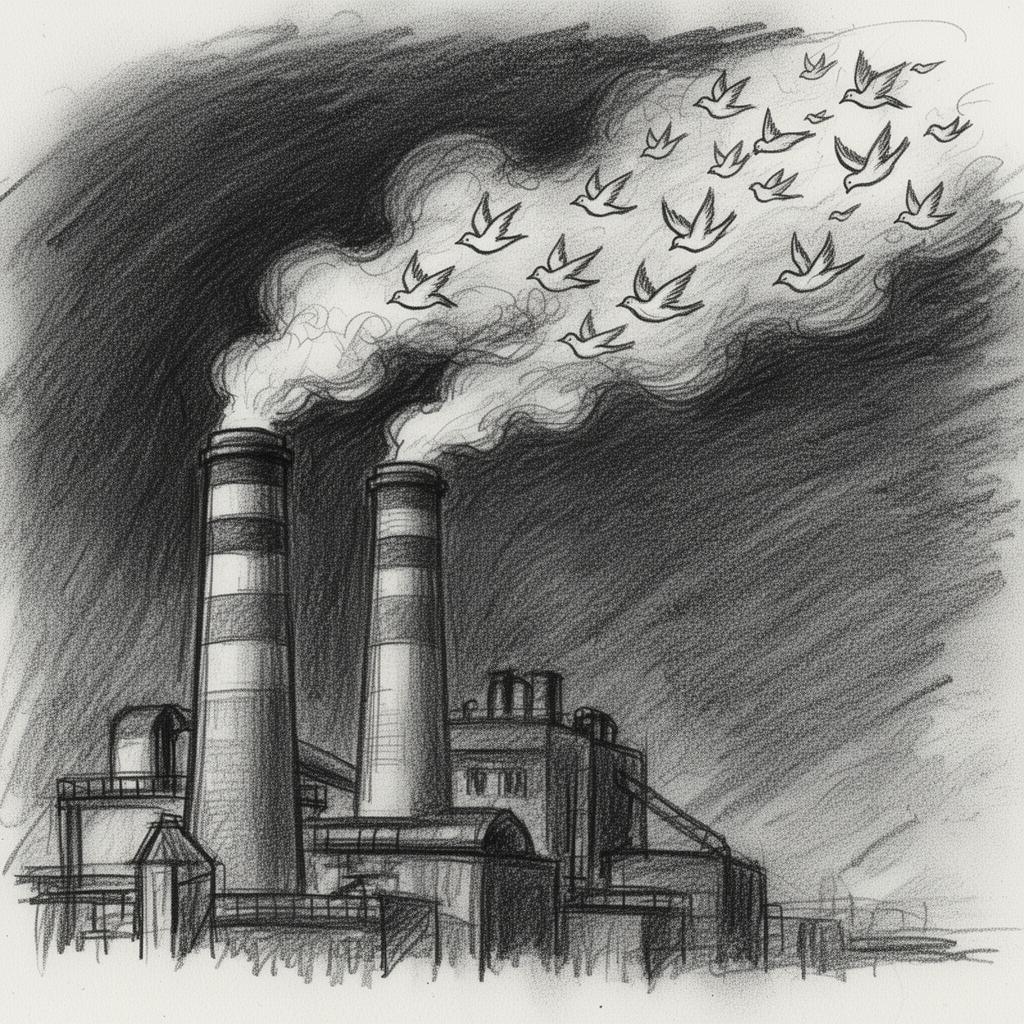
Decarbonization: Spain targets a 32% cut in emissions
Climate ambition rises nine points above the original plan. Greenhouse gas emissions must fall 32% relative to 1990, cutting premature deaths from air pollution by half.
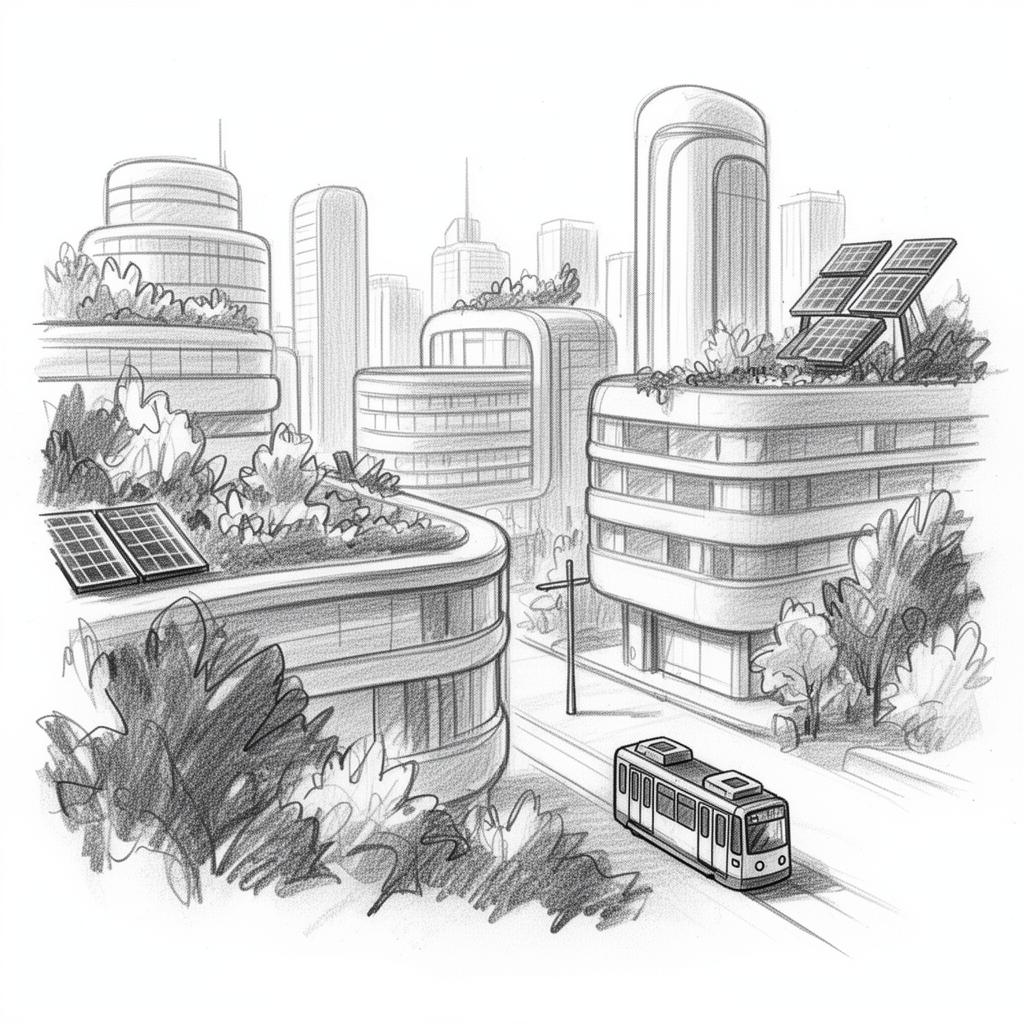
Smart cities: retrofitting 1.38 million homes
The PNIEC raises the target for energy-efficiency retrofits of homes and introduces life-cycle analysis of buildings as a key tool for urban sustainability.
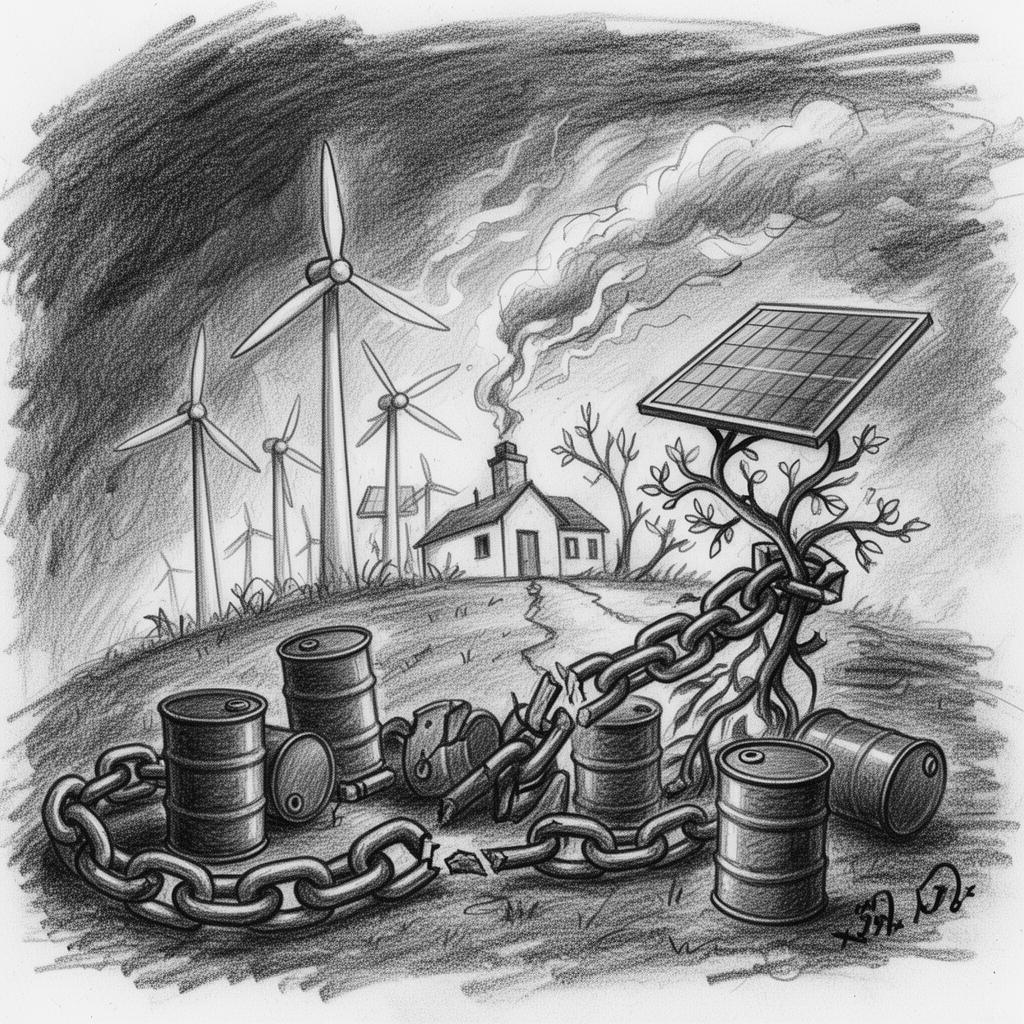
Energy independence: from 73% to 50% external dependence
Spain will double its domestic energy production, reaching 50% of the total, and save €86.75 billion on fossil fuel imports.
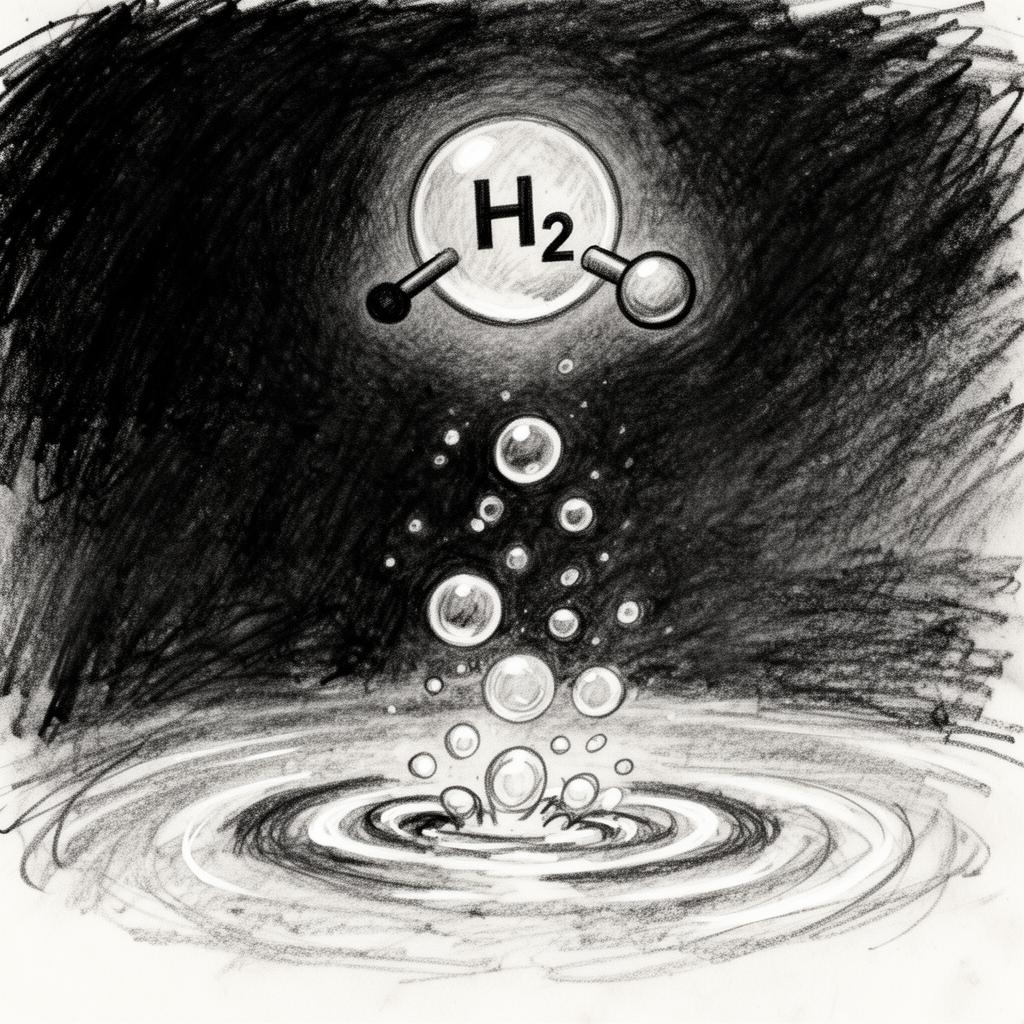
Green hydrogen: 12 GW of electrolyzers by 2030
Spain positions itself as a European renewable-hydrogen hub, aiming to install 12 GW of electrolysis capacity, key to decarbonizing heavy industry.
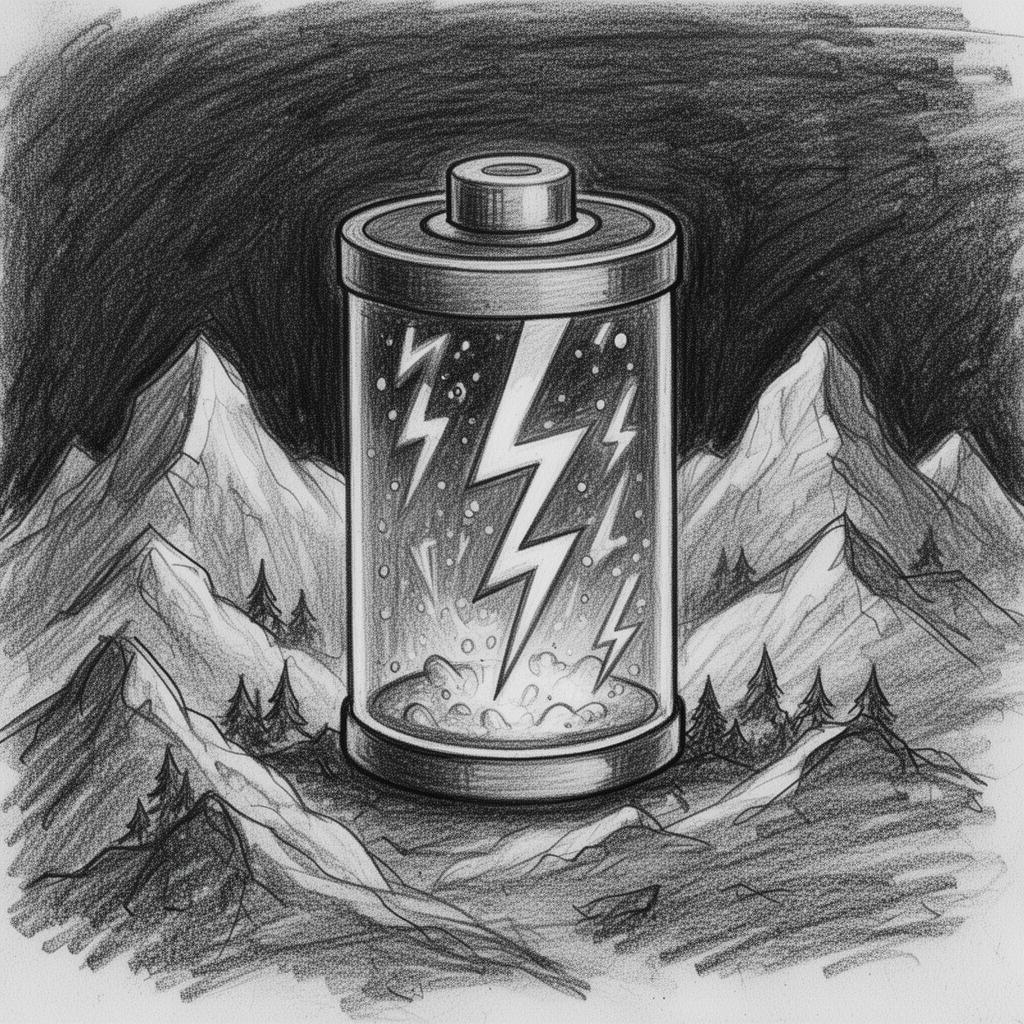
Energy storage: 22.5 GW to stabilize the grid
The massive rollout of storage — batteries, pumped hydro and concentrated solar power — is essential to integrate renewables and guarantee security of supply.
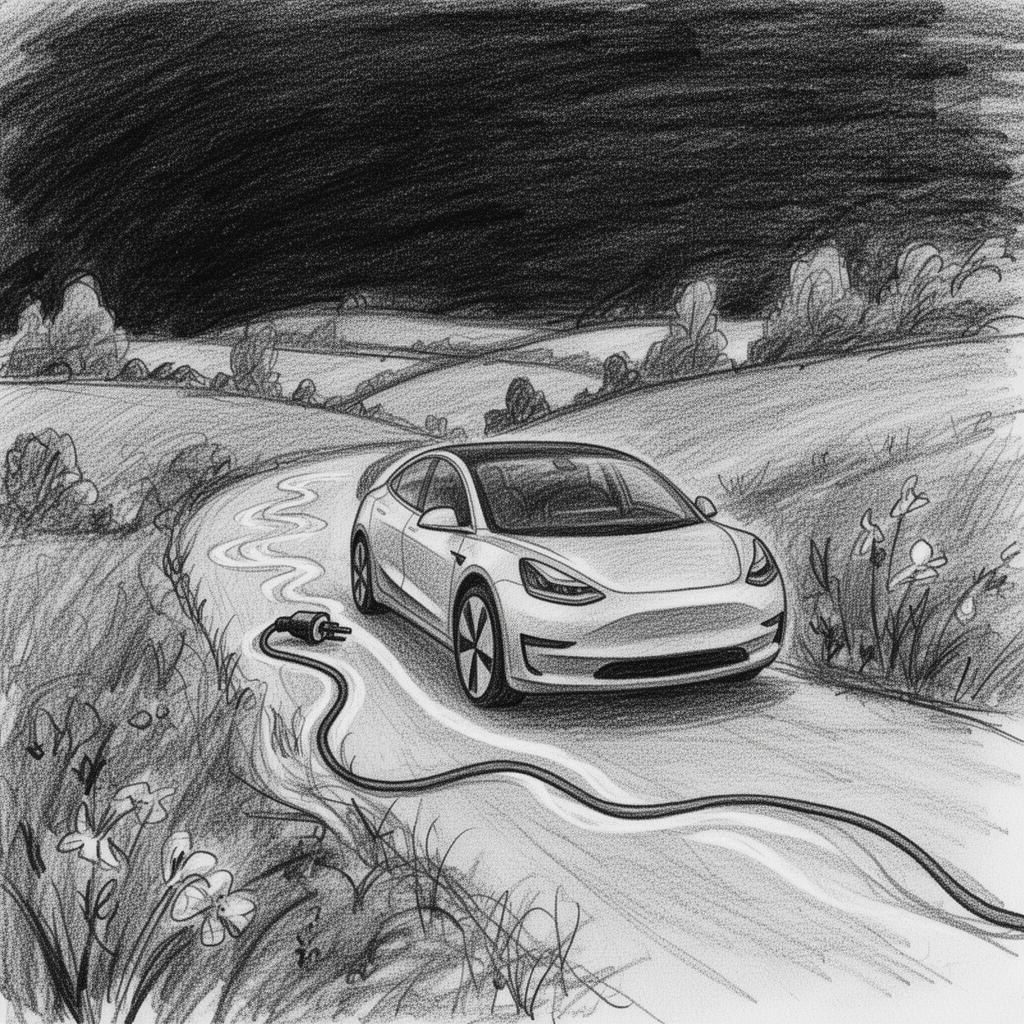
Electric mobility: 5.5 million vehicles by 2030
Transport electrification is a pillar of the PNIEC, with 5.5 million electric vehicles projected and new measures for rail, aviation and shipping.
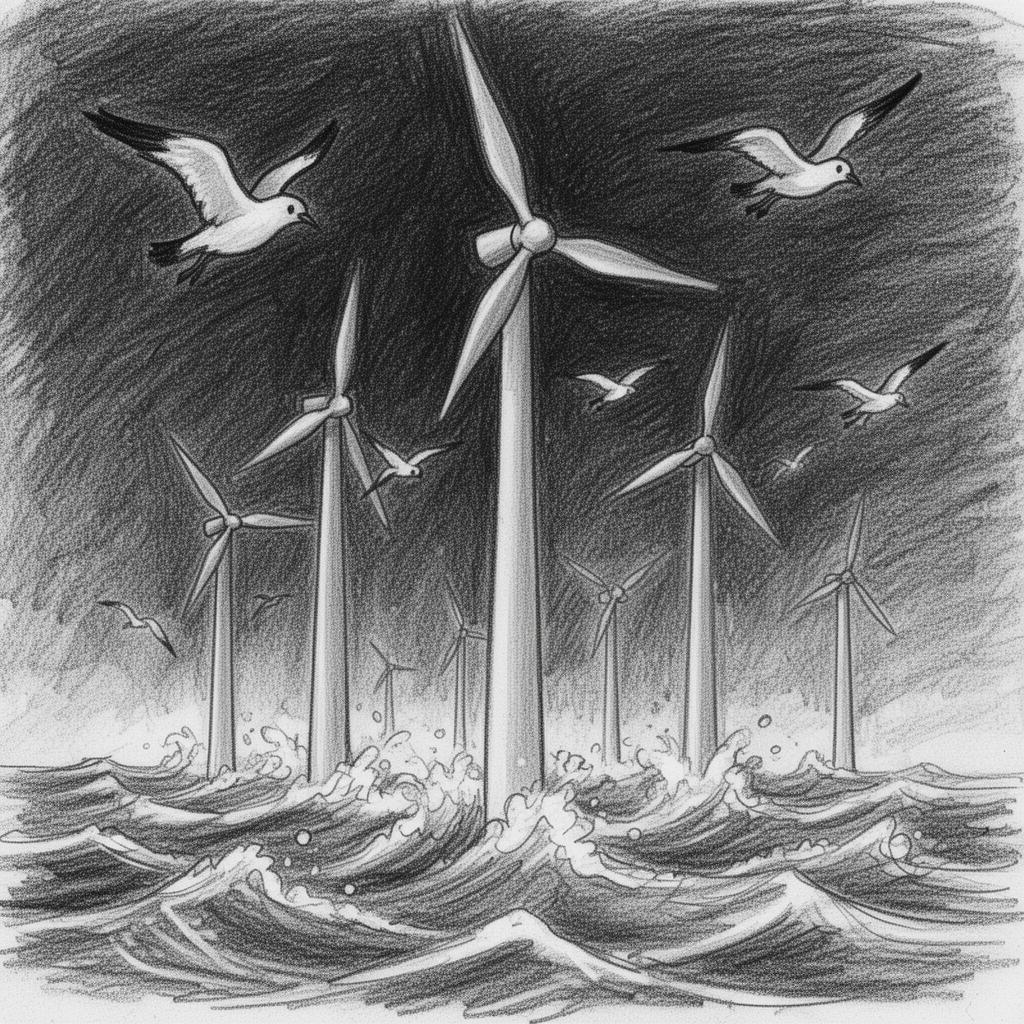
Offshore wind: 3 GW on Spain's maritime frontiers
Offshore wind emerges as a new renewable frontier in Spain, with 3 GW planned to harness the enormous potential of its Atlantic and Mediterranean coasts.
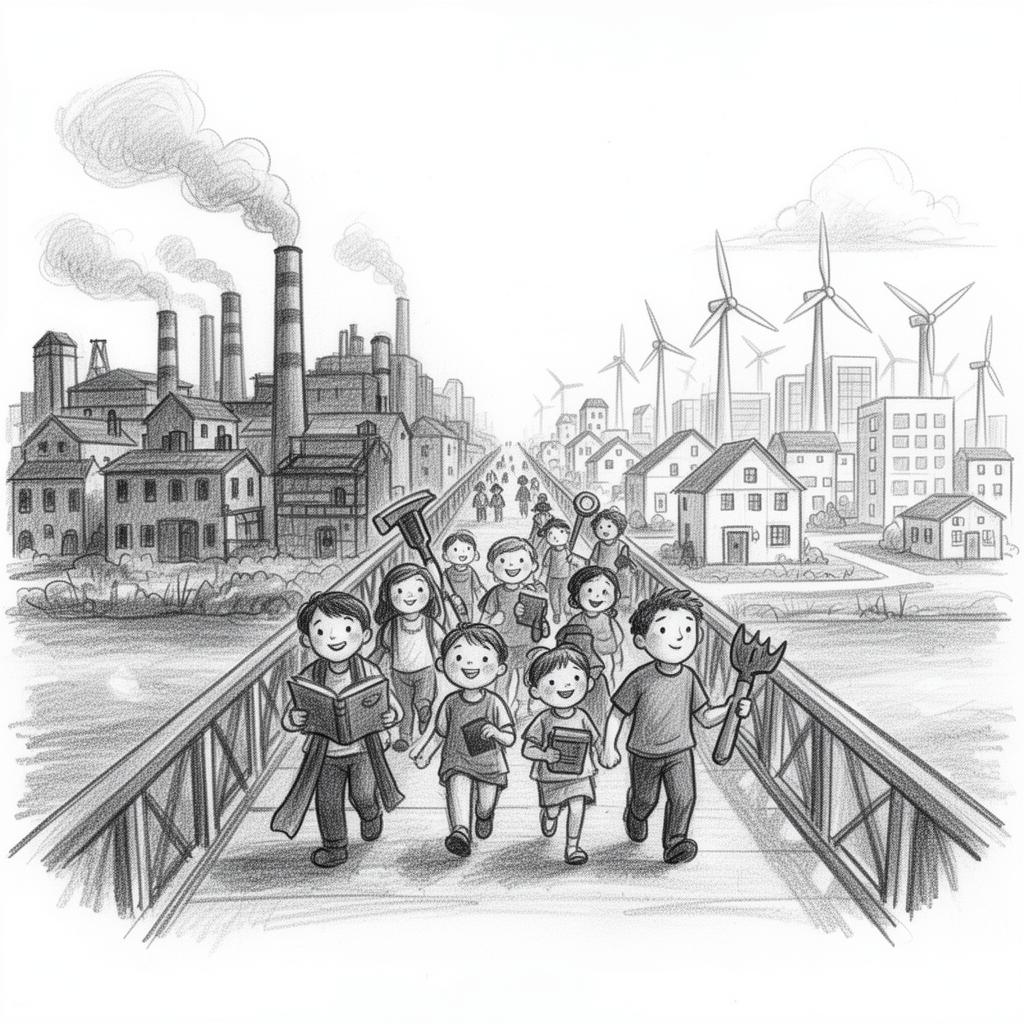
A just transition: leaving no one behind
The PNIEC incorporates gender perspective, the demographic challenge and social equity to ensure the ecological transition benefits the whole of society, especially low-income households.
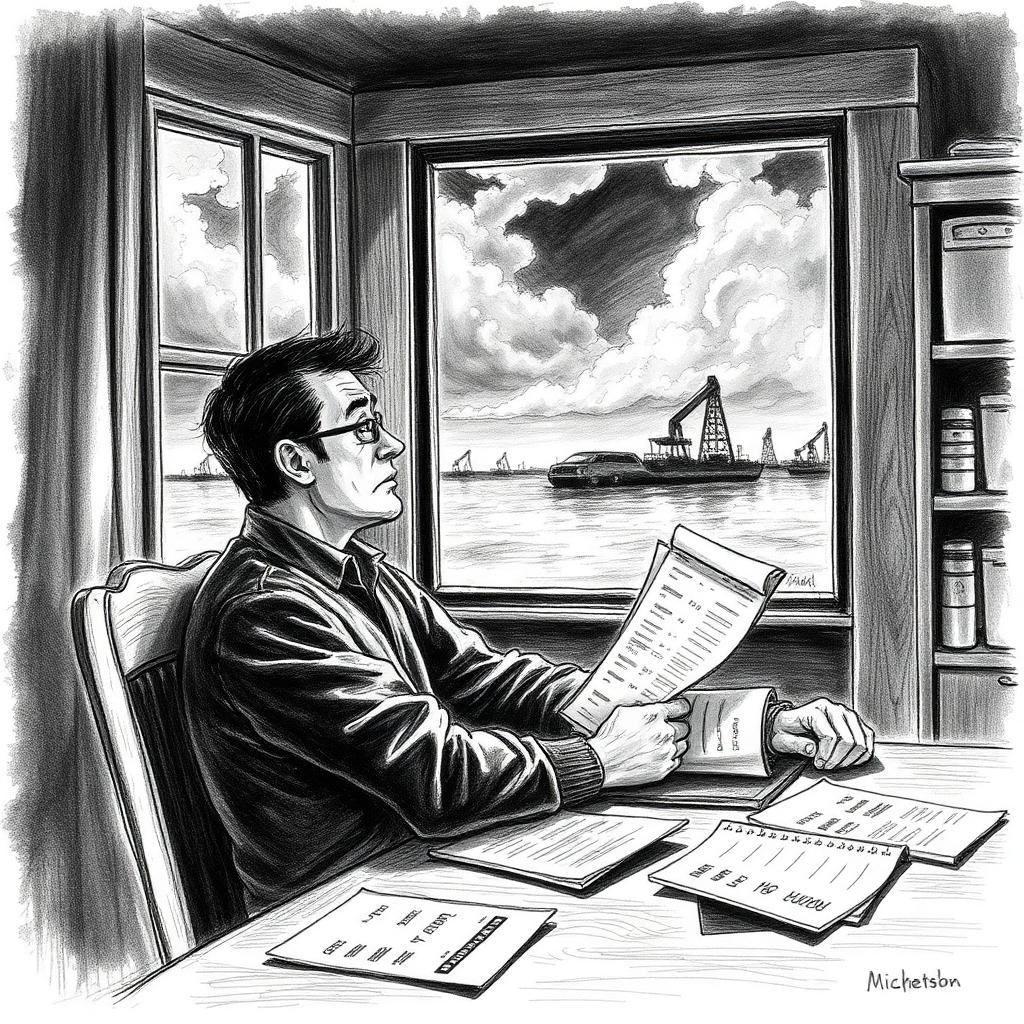
Will the electricity price rise because of the war in Iran?
The war in Iran is straining the international gas market, with direct effects on Spain's regulated electricity tariff. The new PVPC methodology softens the impact, but gas dependence still drives the price of electricity.
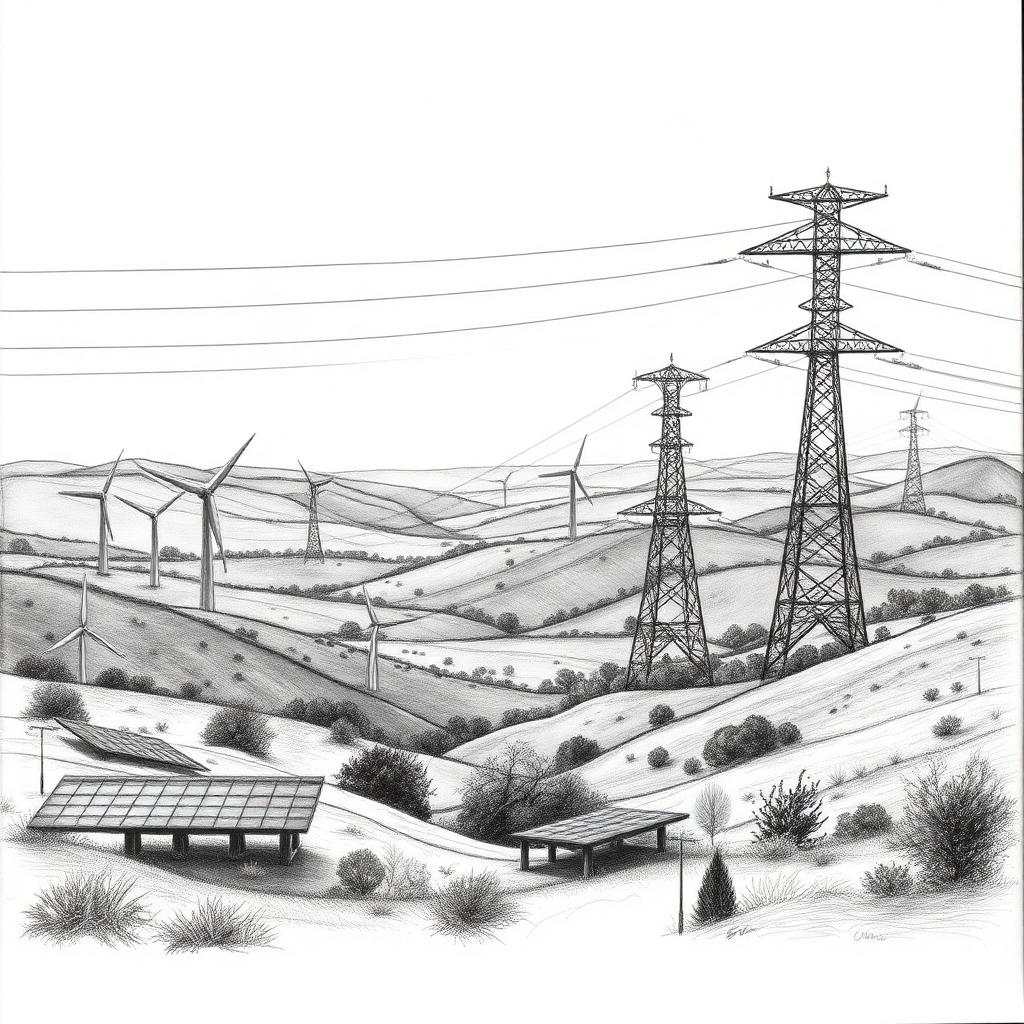
Does Spain depend on imports to cover electricity demand?
Spain depends less and less on imports: in 2024 renewables led with 56.8%, nuclear held steady at 20%, and the country posted a net export balance for the third year running.
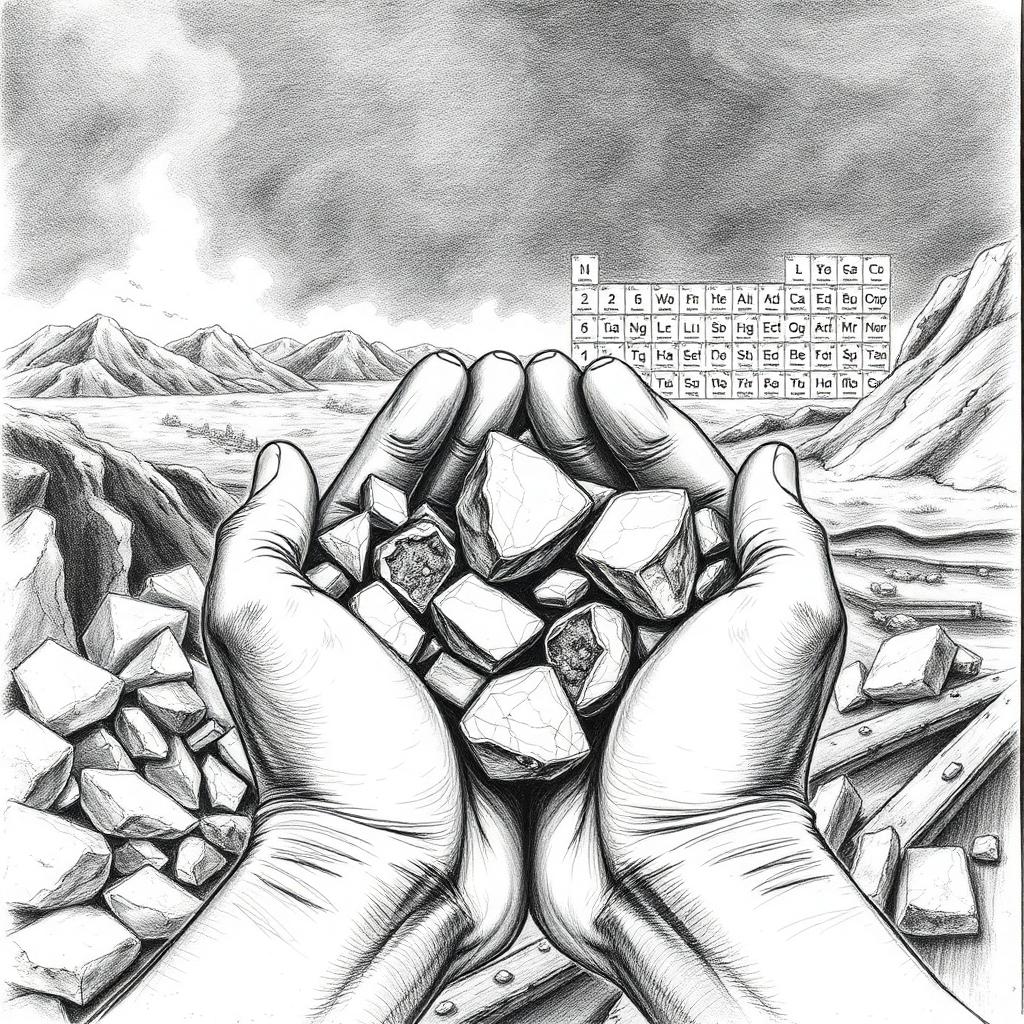
Rare earths: the invisible mineral driving the energy transition
Rare earths are inside wind turbines, electric vehicles and mobile phones. China controls more than 90% of global refining, turning these 17 elements into a geostrategic resource comparable to 20th-century oil.
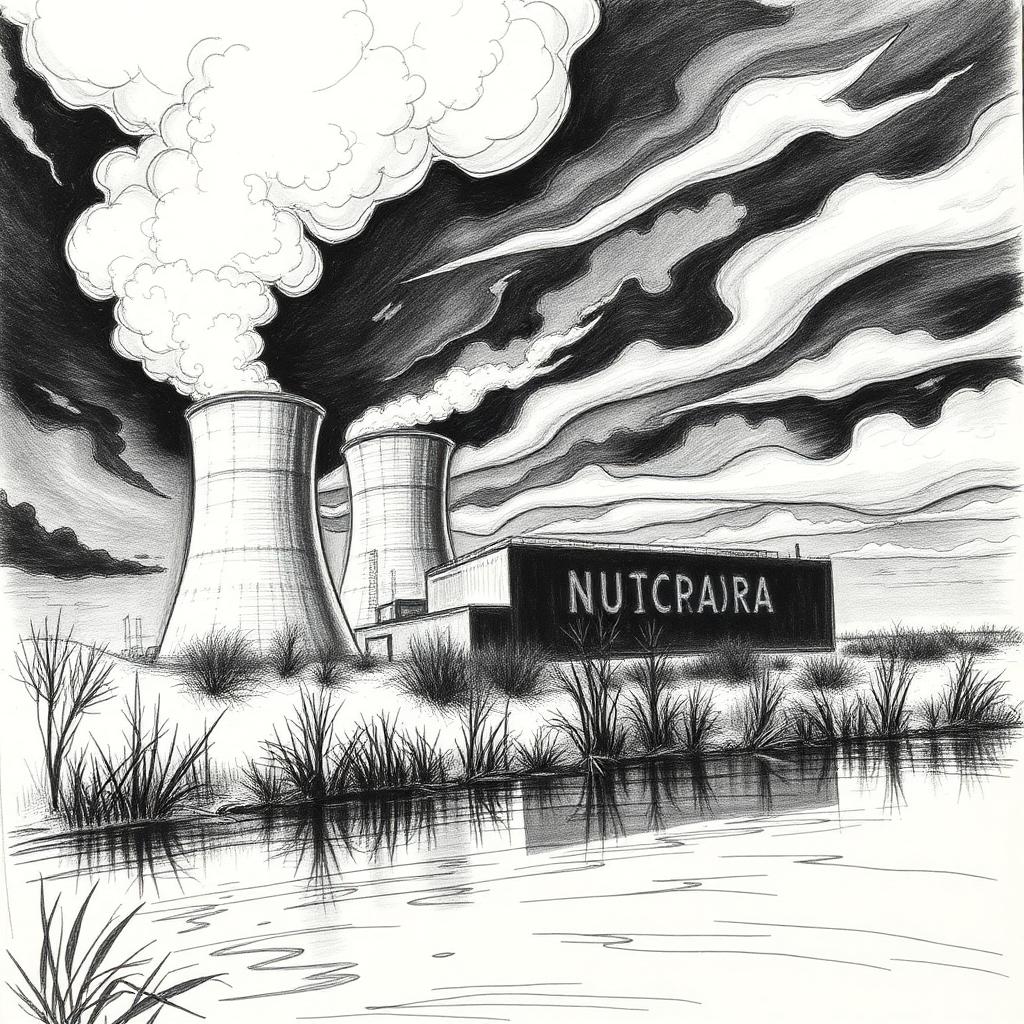
Is nuclear energy renewable? The debate shaping the future
Nuclear generates more than 20% of Spain's electricity without emitting CO₂, but its fuel is finite. Included in the European Taxonomy as a sustainable activity, its role in the transition sparks a debate that goes beyond labels.
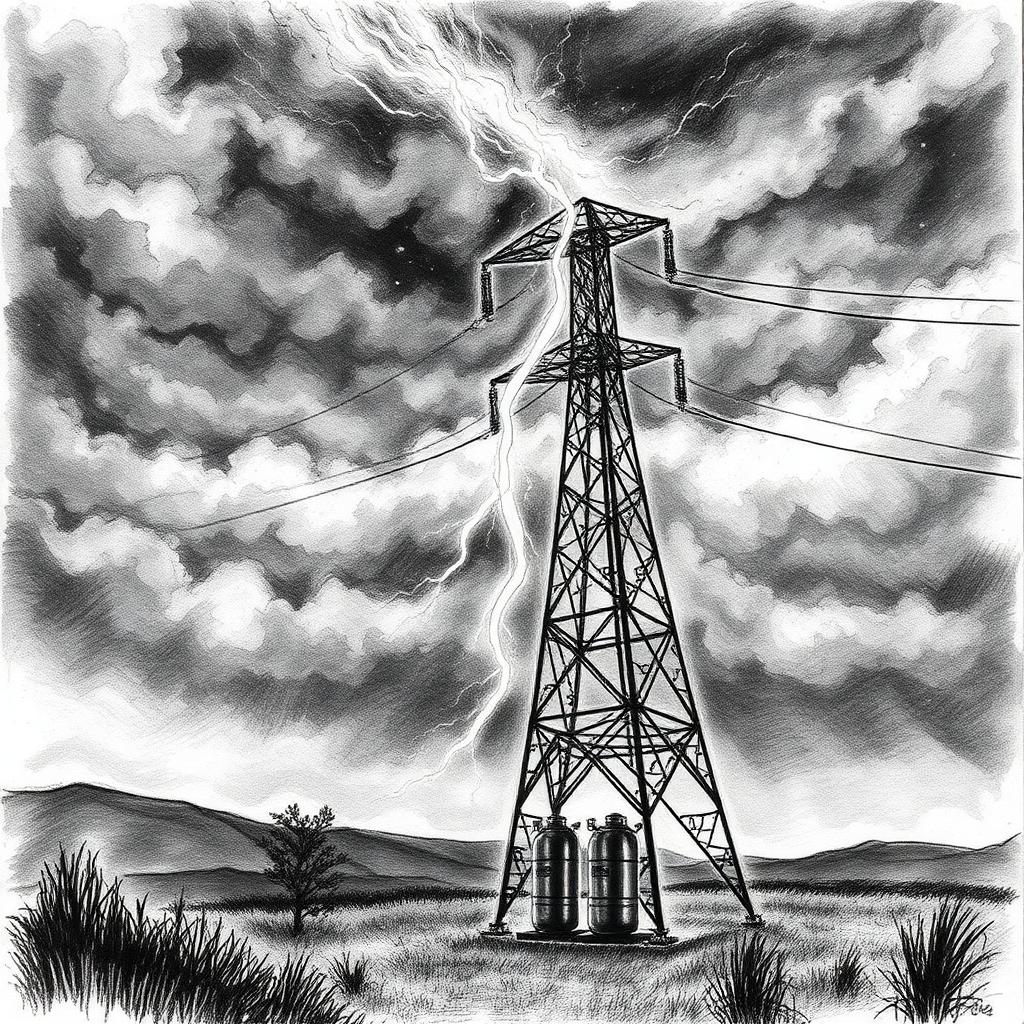
Supercapacitors: a path toward harnessing lightning's energy?
A single lightning bolt releases billions of watts in microseconds. Supercapacitors could bring us closer to the challenge of harnessing this extreme energy, though science is still far from taming the storm.
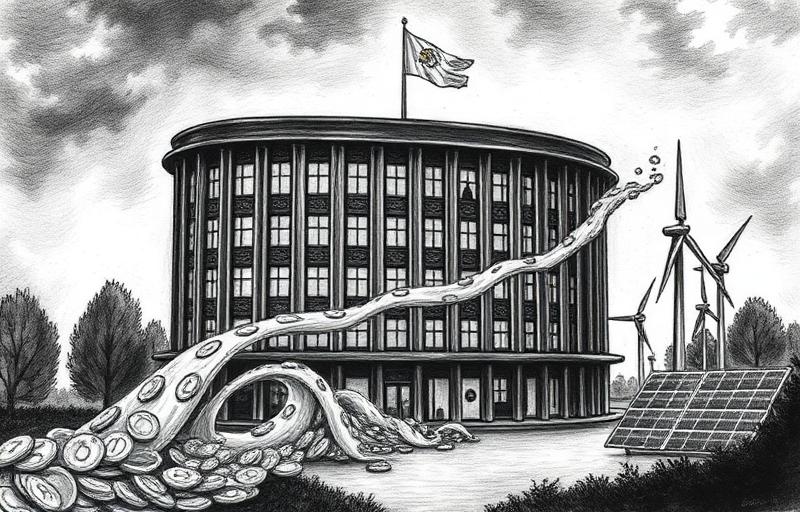
Europe's clean-energy investment gap: €660 billion a year
The European Commission launches a strategy to mobilize private capital and close an annual financing gap of €660 billion in the energy transition.
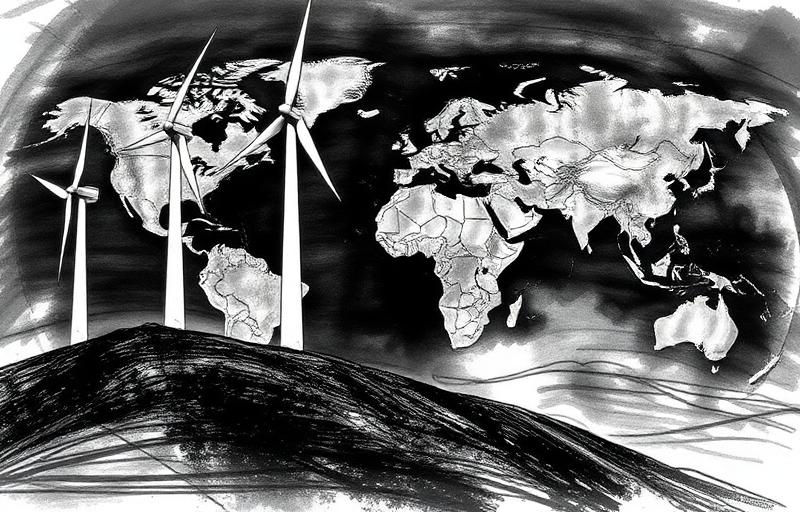
Global wind turbine market hits record highs in 2025
2025 marks a turning point in the global wind market: record installed capacity, the rise of Chinese manufacturers, and a reshuffling of supply chains that challenges Europe's traditional leaders.
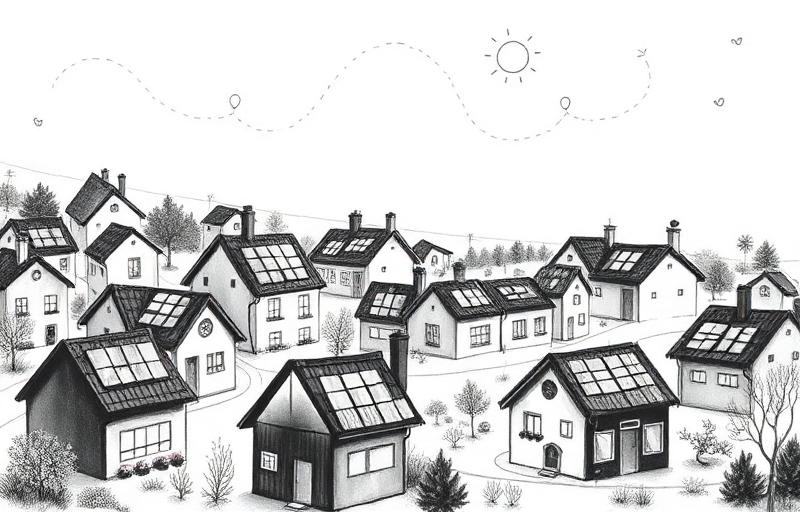
Energy communities in Europe: high ambition, slow progress
Despite EU legislative support, renewable energy communities are advancing slowly. Regulatory, technical and economic barriers are holding back a model that could democratize energy generation.
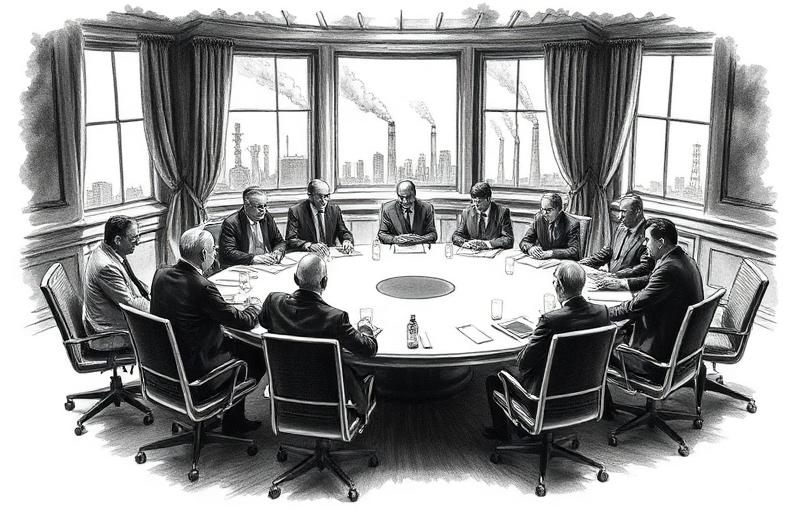
EU competitiveness summit puts energy prices center stage
European leaders met in Belgium to address the energy-price gap with China and the US. Carbon-market reform and industrial strategy emerged as central themes.
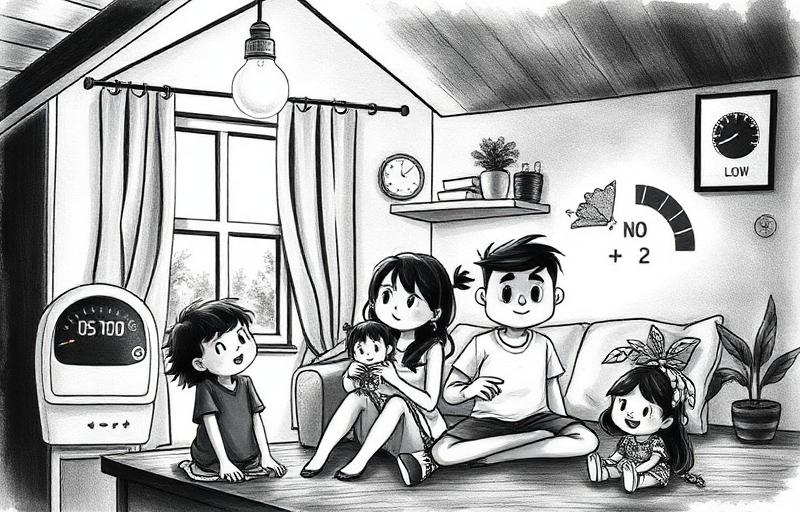
EU Citizen Energy Package: protecting and empowering Europeans
The EU launches the Citizen Energy Package to combat energy poverty, reduce bills, and make it easier for citizens to take an active part in producing clean, local energy.
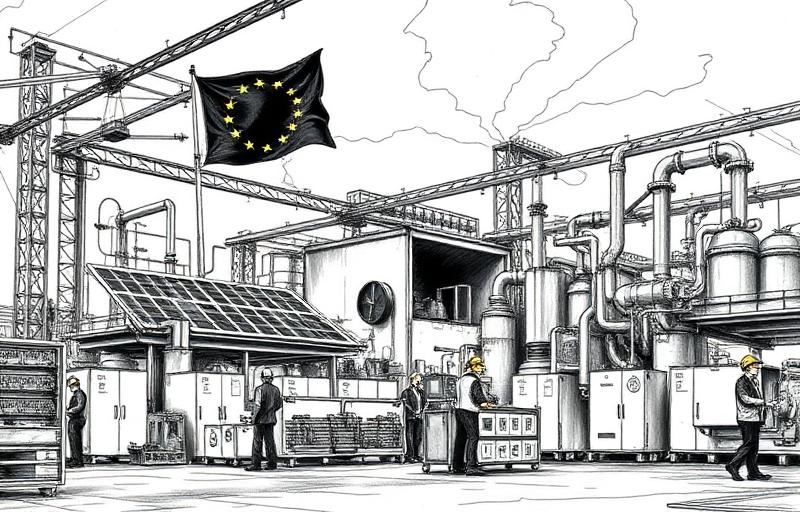
'Buy European': the EU's green industrial gambit
The European Industrial Accelerator, known as 'Buy European', aims to strengthen the EU's industrial base by prioritizing low-carbon products and net-zero technologies manufactured in Europe.