Does Spain depend on imports to cover electricity demand?
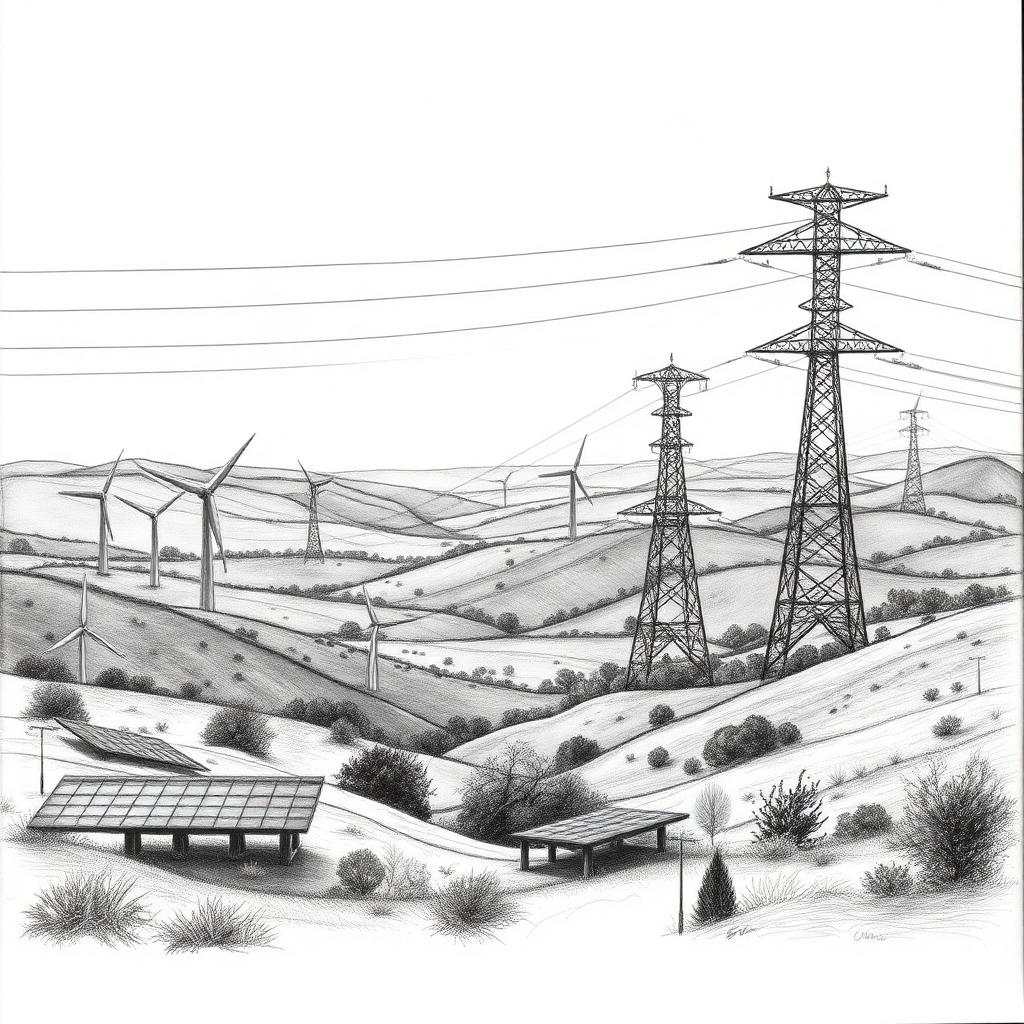
Spain still depends on imports for part of the energy it consumes, but its electricity is mostly generated domestically. Looking specifically at electricity generation, the answer is more nuanced and encouraging than for the energy system as a whole. In 2024, renewable output grew 10.3% to reach 148,999 GWh, representing 56.8% of the national mix.
In 2024, Spain exported more electricity than it imported for the third year running: 25,808 GWh exported versus 15,631 GWh imported. With annual demand of 248,811 GWh, this means 94% of the electricity consumed in Spain came from domestic sources.
Spain still needs to import fossil fuels, especially natural gas, so that combined-cycle plants can cover demand peaks or offset the variability of renewables. Spain's overall energy dependence stood at 68.4% in 2024, one of the lowest figures since 2020 — but this figure covers all types of energy, not just electricity.
The growing weight of domestic production has three key implications: lower geopolitical vulnerability (renewables are not exposed to international tensions), greater electricity-price stability (since it does not depend on imported fuels), and security of supply thanks to technological diversification.
According to comparable Eurostat and REE data, in 2024 renewable electricity reached 56.8% in Spain, compared with an ENTSO-E average of 48.4%. Spain's share of low-carbon generation (renewables plus nuclear) sits above the European average, bringing it closer to its decarbonization targets.
Source: Endesa — La Cara E / Energy Sector