Energy communities in Europe: high ambition, slow progress
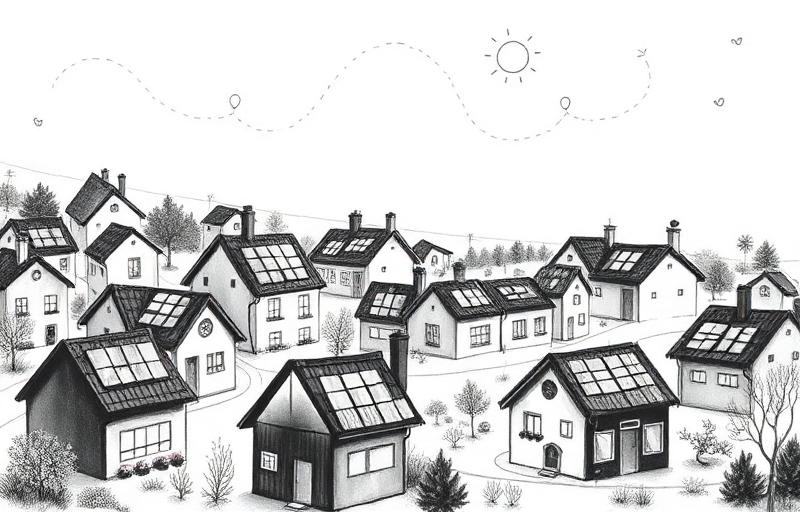
Renewable energy communities (RECs) are one of the pillars of the decentralized energy model the European Union is promoting. Citizens, small businesses and local authorities can join forces to generate, store and share clean energy. However, a report from the European Court of Auditors reveals that real-world progress is falling well short of expectations.
The barriers are numerous: national regulatory frameworks that have not properly transposed European directives, bureaucratic complexity in setting up communities, a lack of accessible financing models, and a technical knowledge gap among interested citizens.
Countries such as Germany, Denmark and the Netherlands lead with thousands of active communities, benefiting from deep-rooted cooperative traditions and favorable regulations. In southern Europe, Spain and Italy are advancing more slowly, despite enormous potential thanks to their solar resources.
The energy-community model is not purely economic: it builds social cohesion, reduces energy poverty and strengthens local resilience against supply crises. Studies show that members of energy communities cut their bills by between 20% and 40%.
To speed up deployment, the EU is proposing to simplify the process of setting up communities, create dedicated support funds, establish favorable network tariffs for shared self-consumption, and promote citizen training in energy management. The goal is for energy communities to account for at least 20% of distributed renewable generation by 2030.
Source: Rinnovabili EU — RECs in Europe